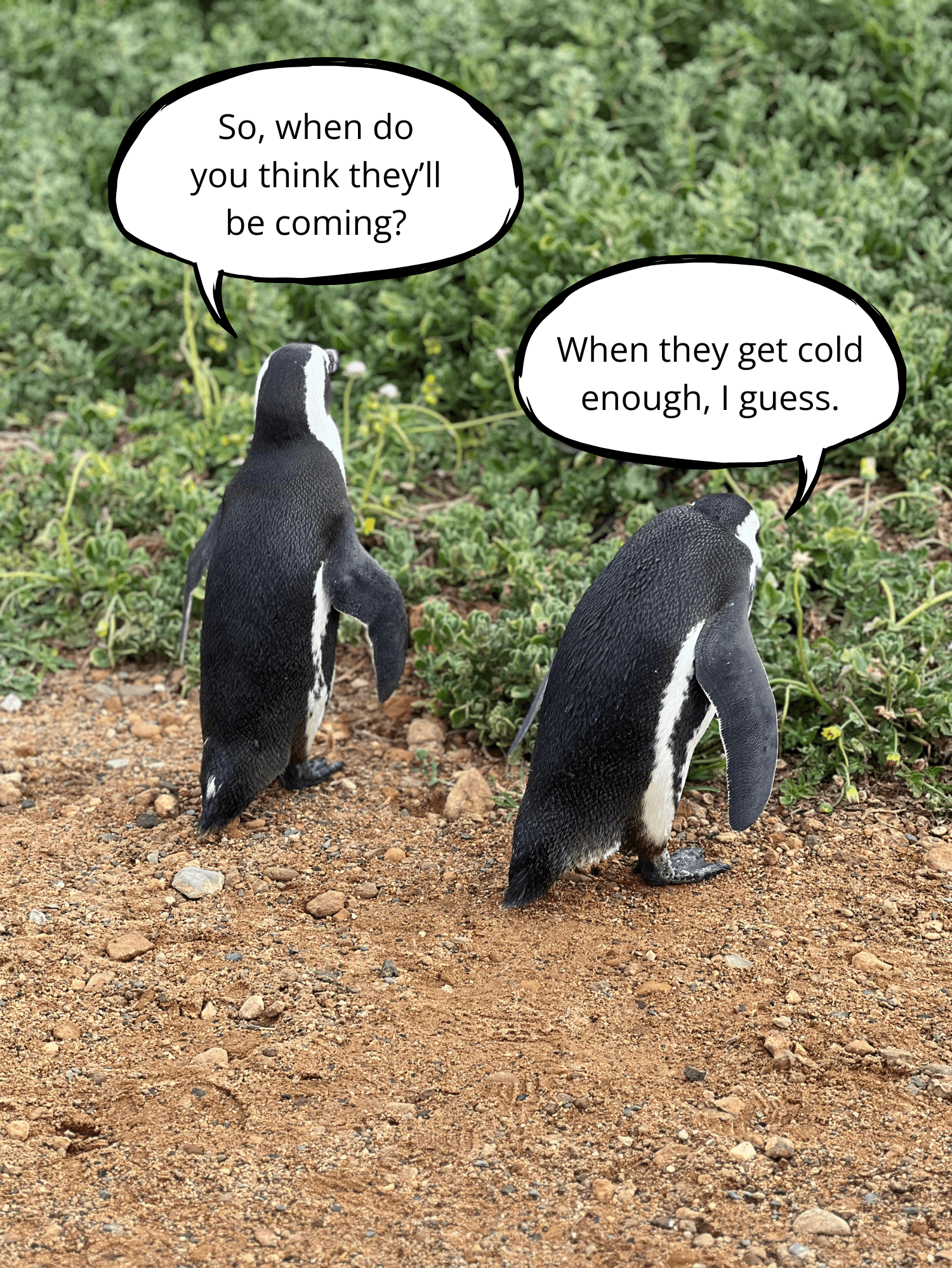
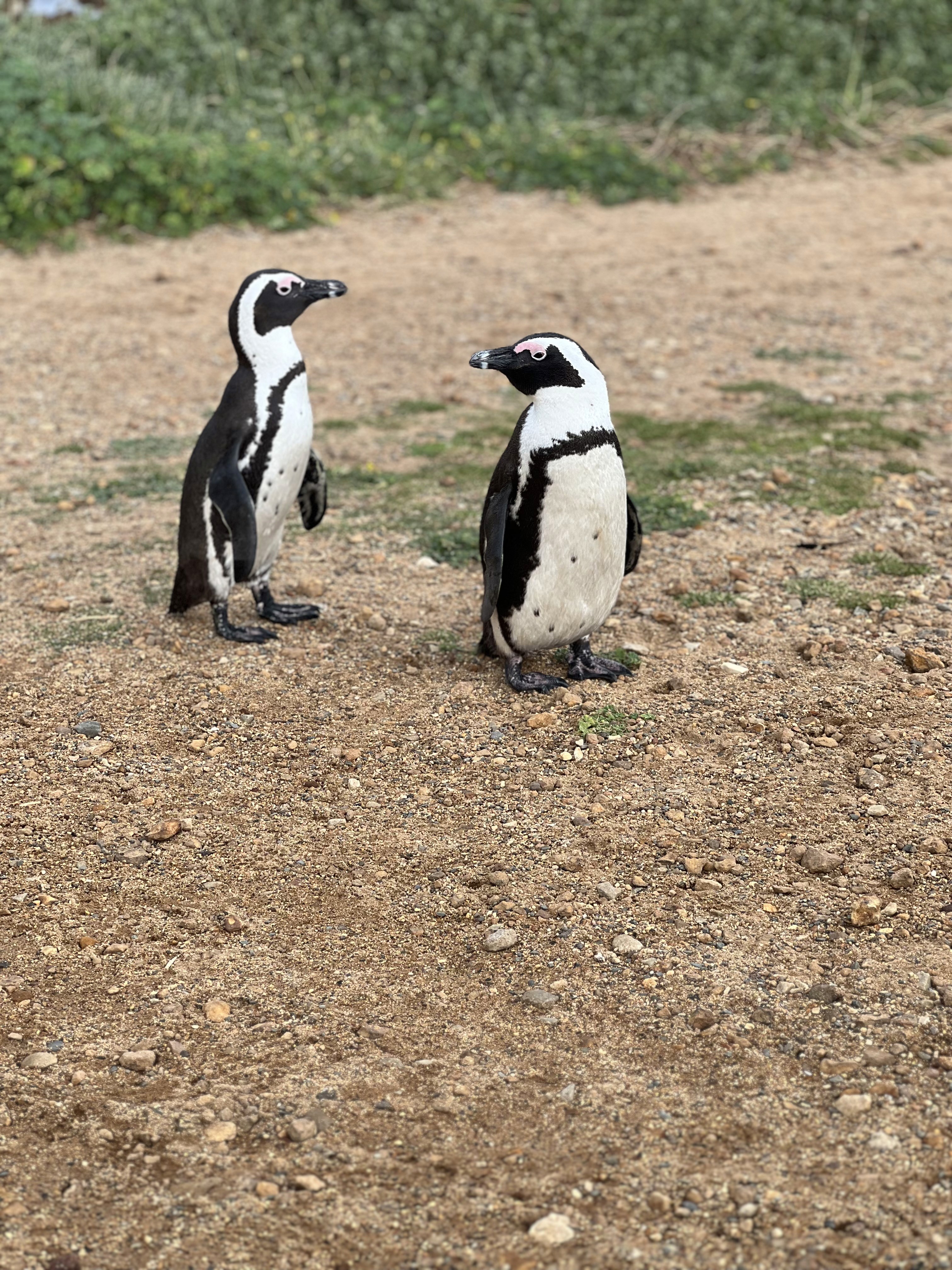
The South African coast proudly hosts two breeding colonies of the only penguin species on the continent: the African Penguin (Spheniscus demersus). African penguins have been classified as endangered, and the colonies are protected to ensure their survival in the wild. Making a turn by these colonies could truly be a unique experience!
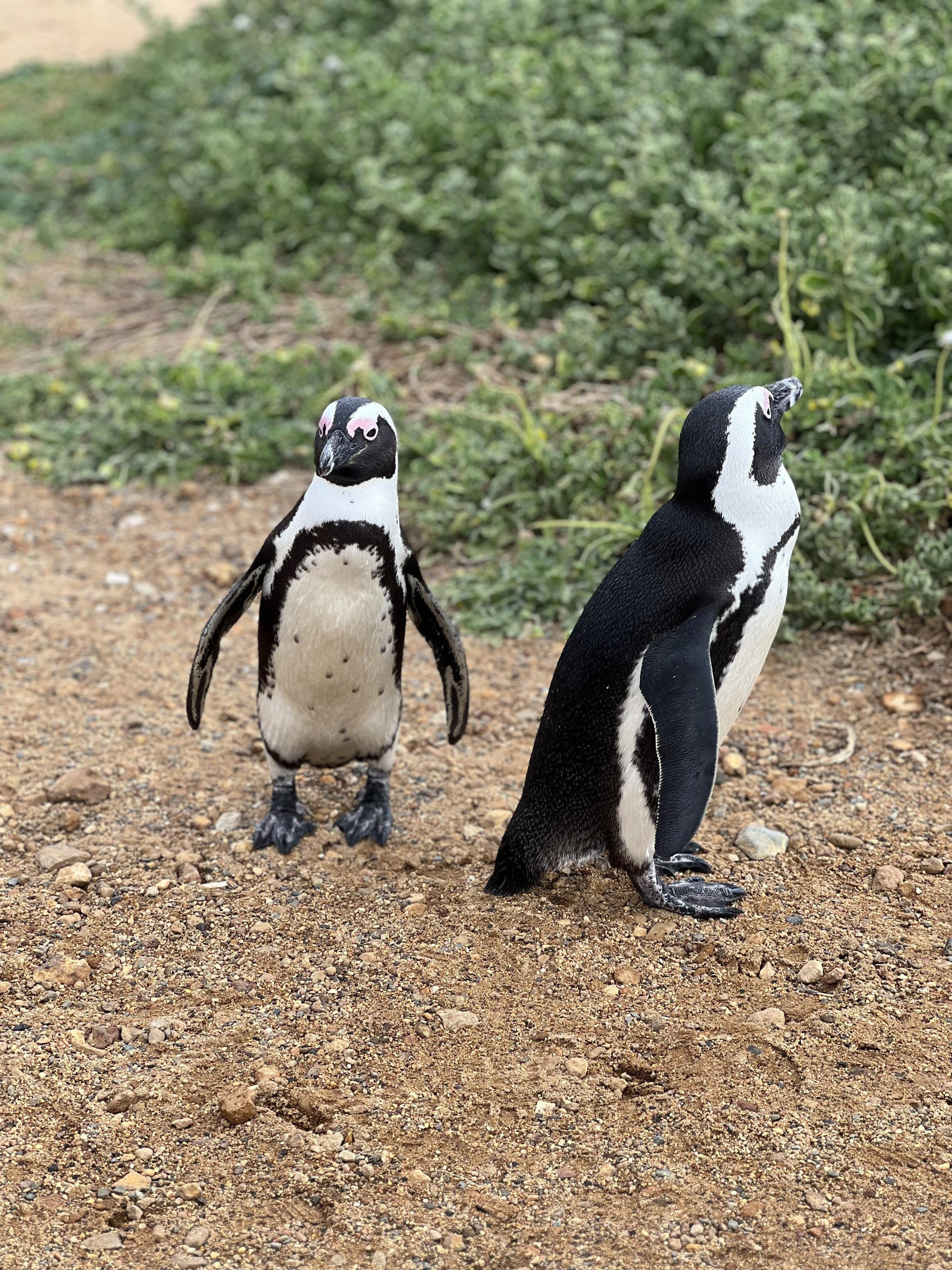
If you are staying in the Cape Town area and are interested in seeing these seabirds, you are in luck - both of South Africa’s penguin colonies are located within 1.5 hours of Cape Town. Here is everything you need to know about visiting Boulders Beach Penguin Colony and Stony Point Nature Reserve.
1. Boulders Beach Penguin Colony
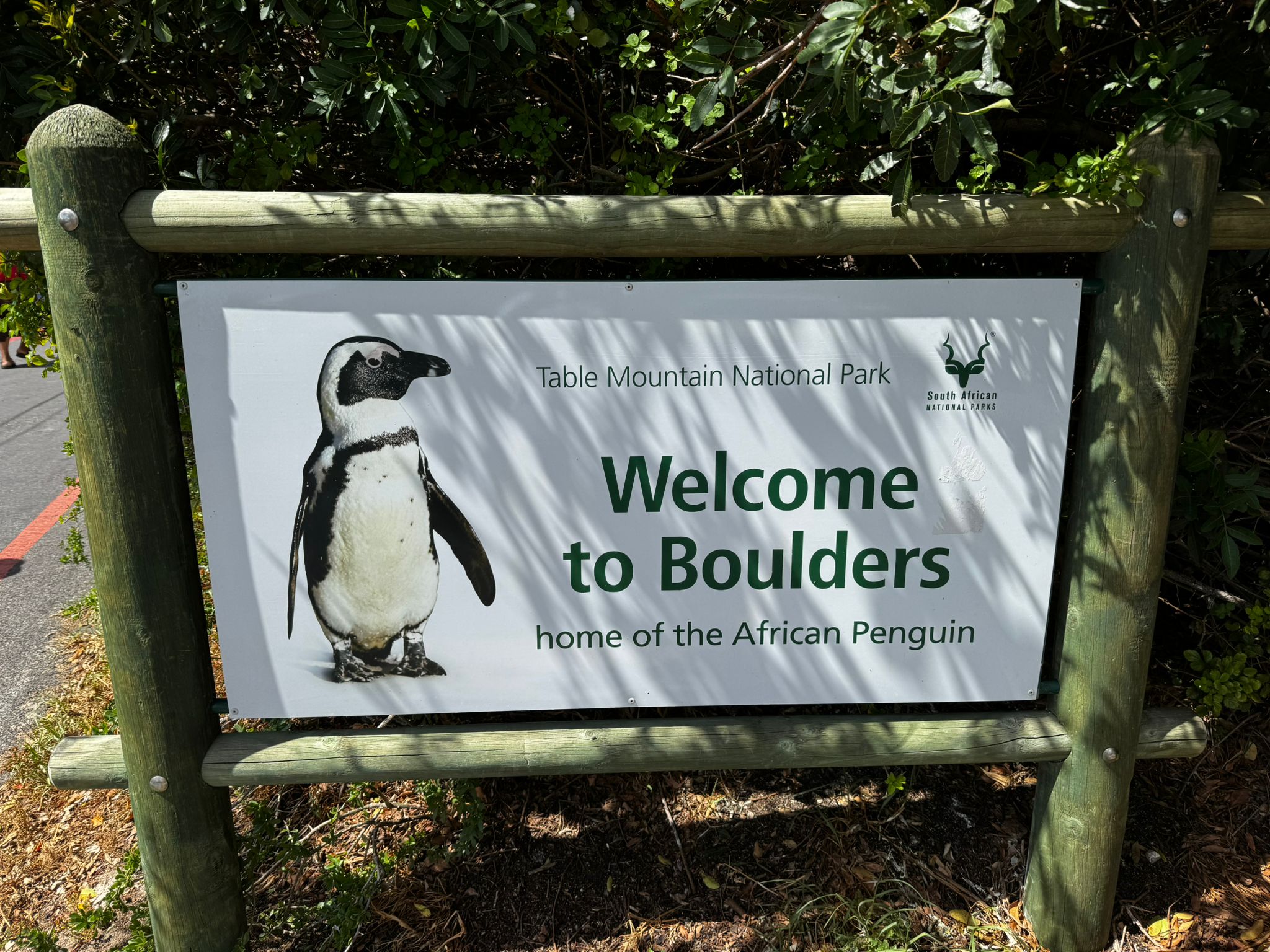
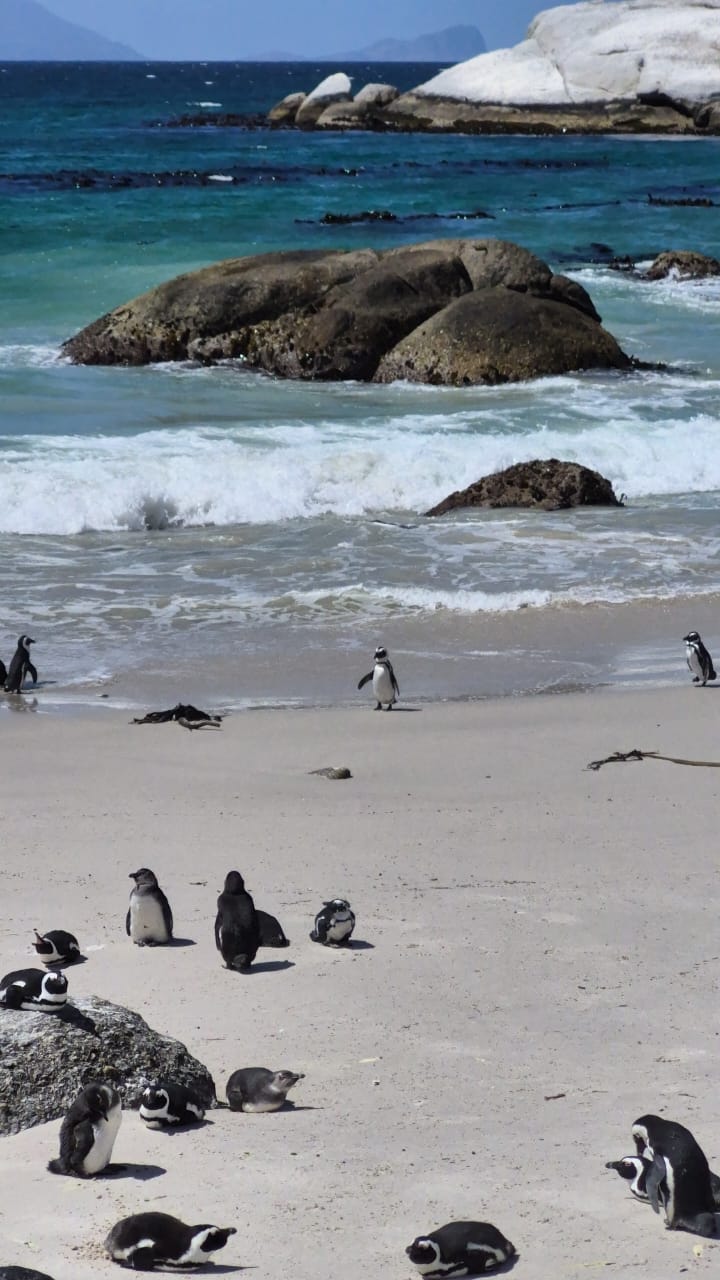
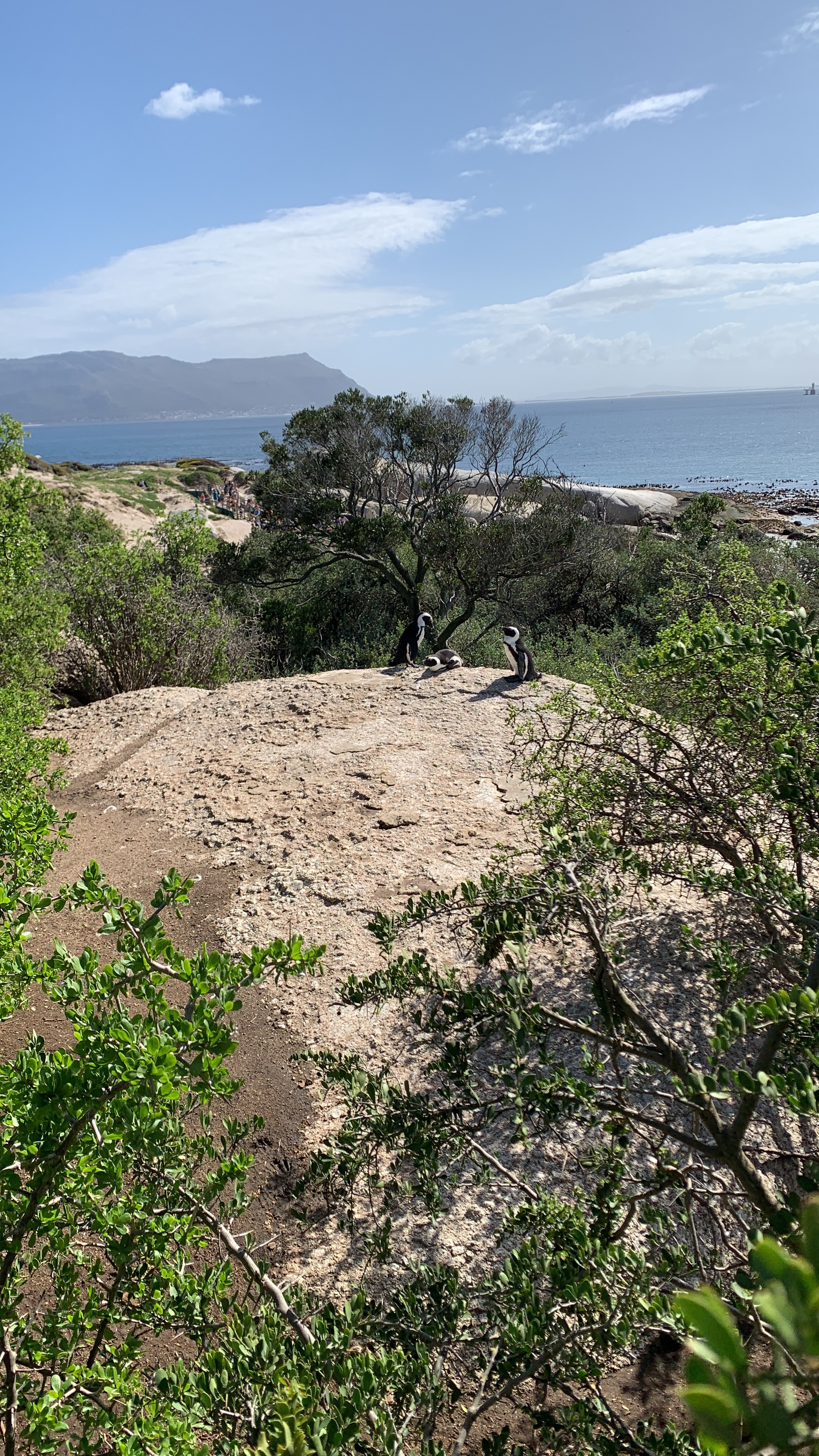
The most famous penguin colony for tourists is the Boulders Penguin Colony. Located in Simonstown, the colony is part of the Table Mountain National Park, which is managed by South Africa National Parks (SANParks.) After acquiring tickets, there are easy-accessible walkways that run along the beach line, from where the penguins can be easily spotted swimming in the swells or sunning on the sand. The penguins do not pay any attention to humans, so they will calmly waddle close to the boardwalks or even sit within touching distance from the walkways.
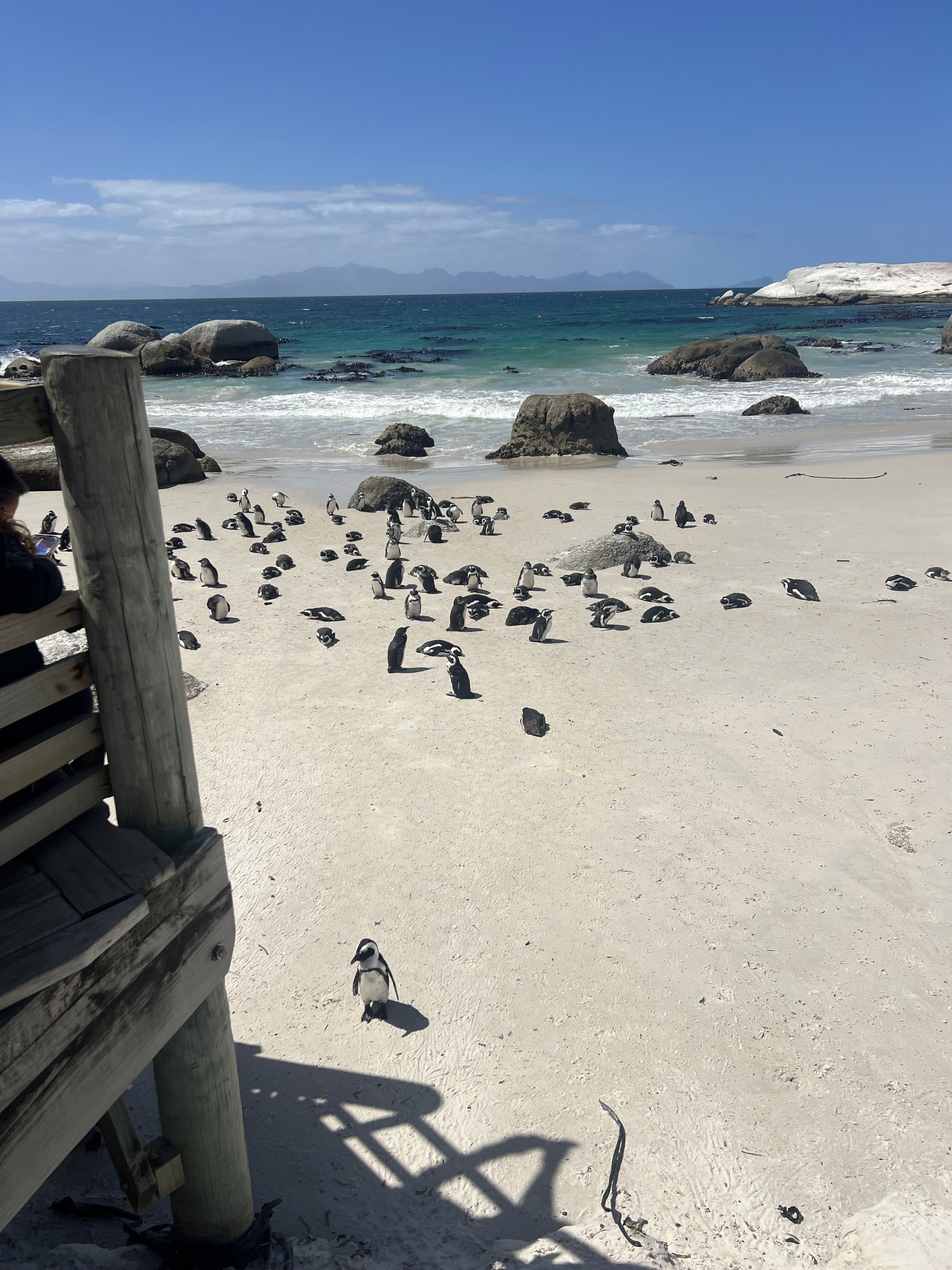
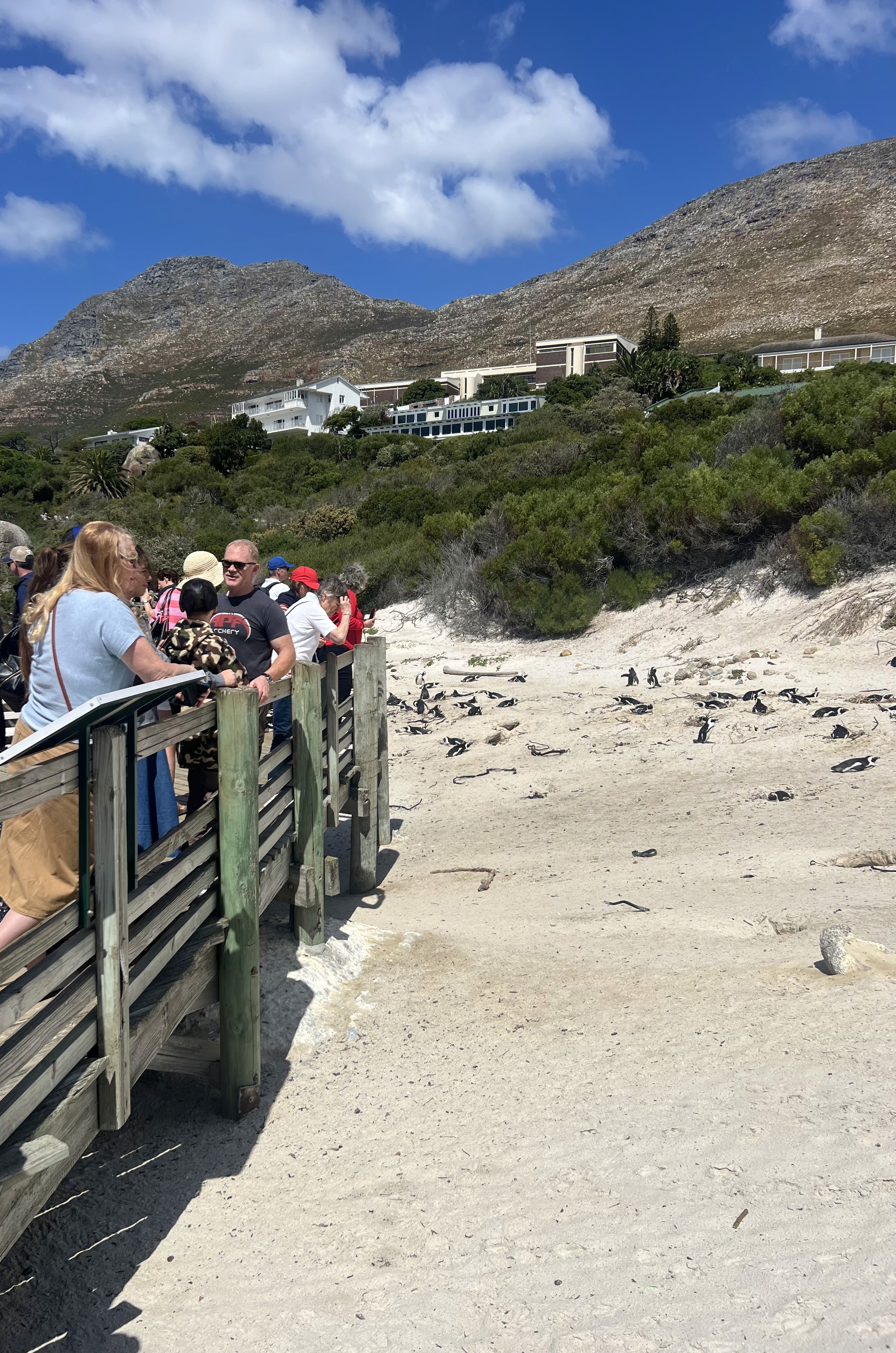
The viewing area by the nesting penguins is also a great spot to take a selfie or video with Africa’s only penguin, so feel free to do so while you’re paying the colony a visit!
PLEASE NOTE: although the penguins look adorable, please never touch or feed them, because they have razor-sharp beaks and will bite.
On the way back from the penguins, you can pop into a small shop where ice cream and other refreshments are sold, and there is also a gift shop to visit in the visitors’ building.
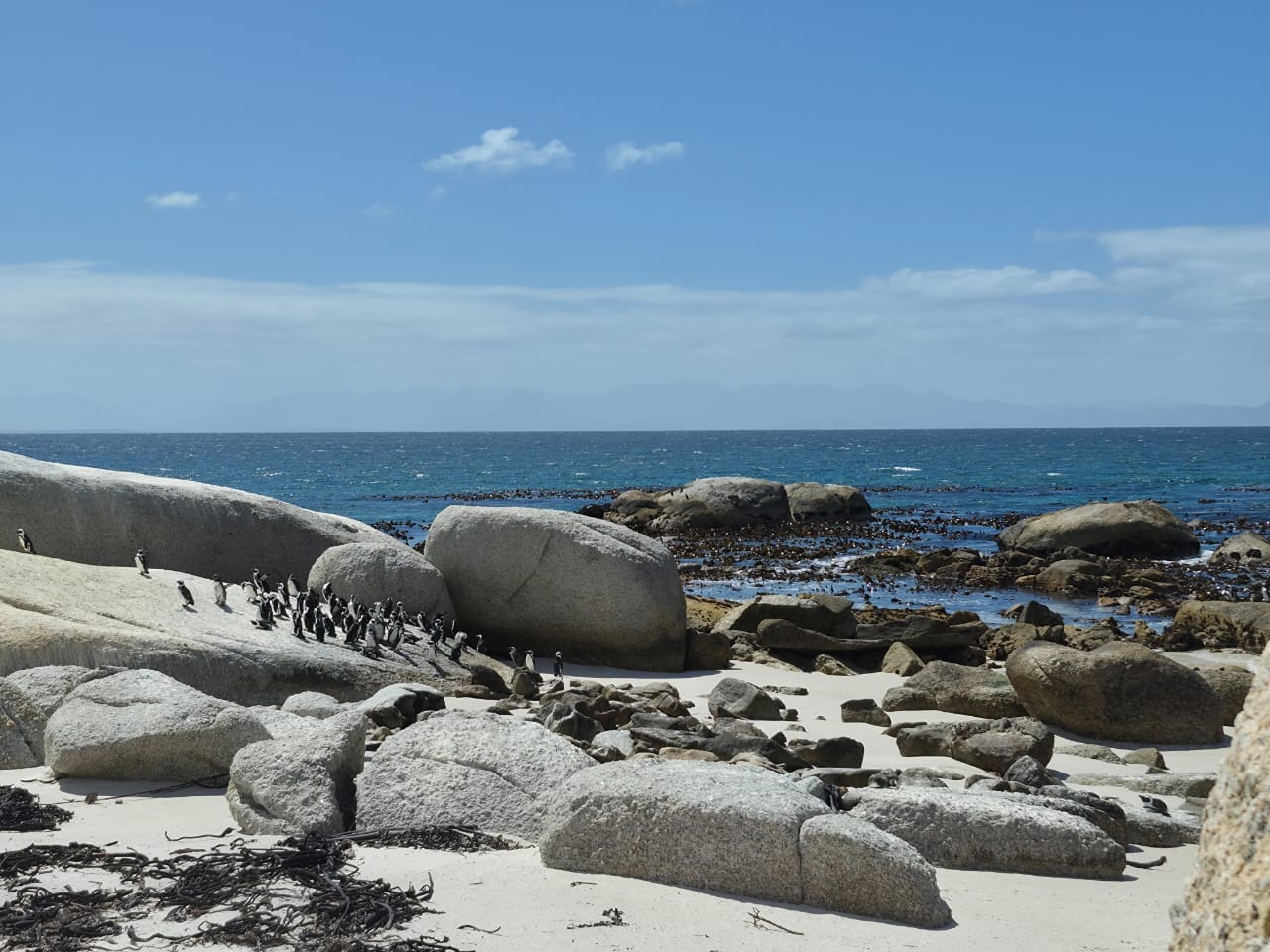
If you feel like resting a while, you can use your ticket to head to the Boulders Beach swimming area. This public beach, known for its huge granite boulders, is accessible through a different entrance than the colony viewing area via a boardwalk that leads from the official visitor centre. Boulders Beach is a secluded shore where visitors can relax for a while, have picnics on the sand, and swim alongside the penguins.
Boulders Penguin Colony is the perfect place for someone who wants to observe the penguins in their natural habitat and chill out on the beach without having to hike along lengthy trails.
To learn more about the site, visit sanparks.org.
2. Stony Point Nature Reserve
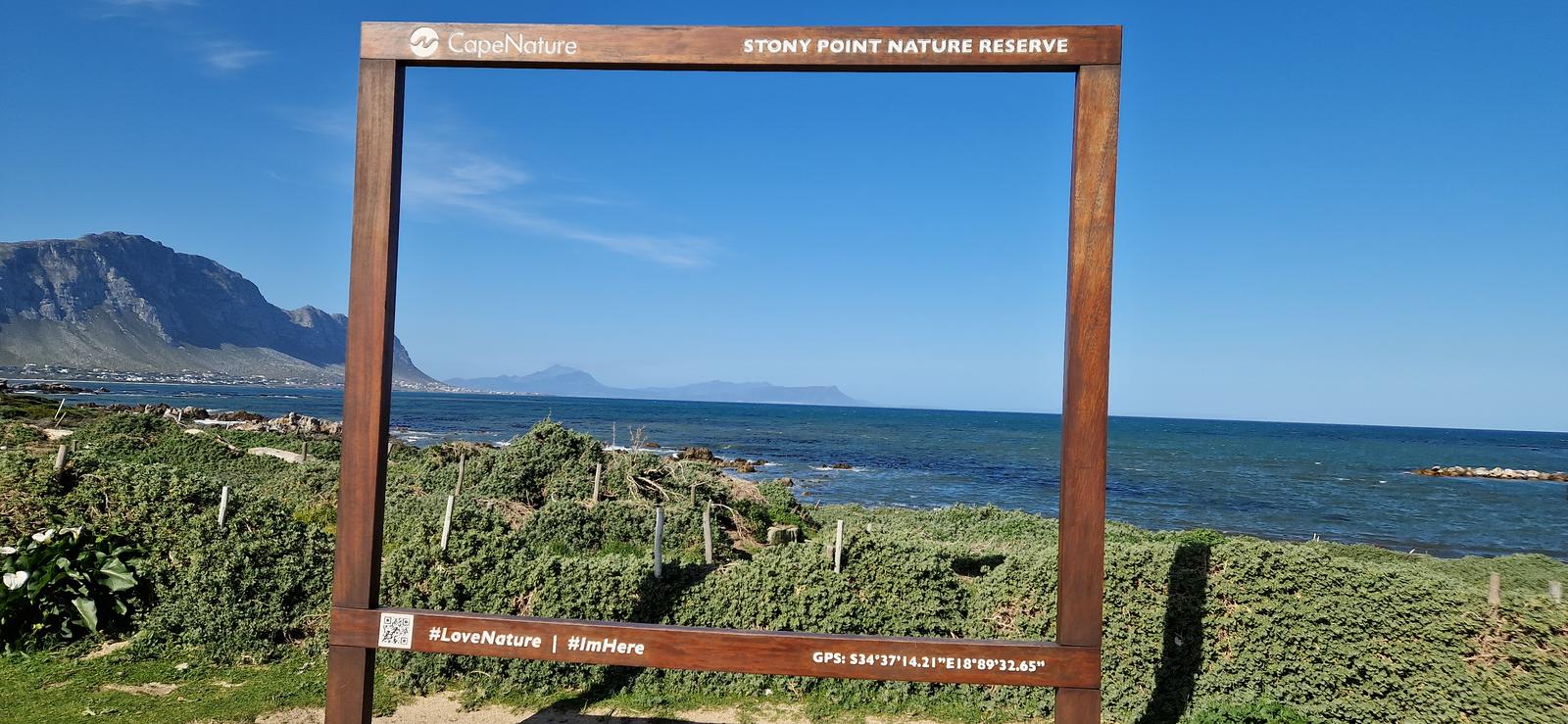
If you prefer a rugged, ‘off-the-beaten-path’ feel, pay a visit to Stony Point Nature Reserve, which is nestled in the small coastal town of Betty’s Bay. Please drive slowly as you advance to the entrance, because there is usually a penguin or two waddling near the road.
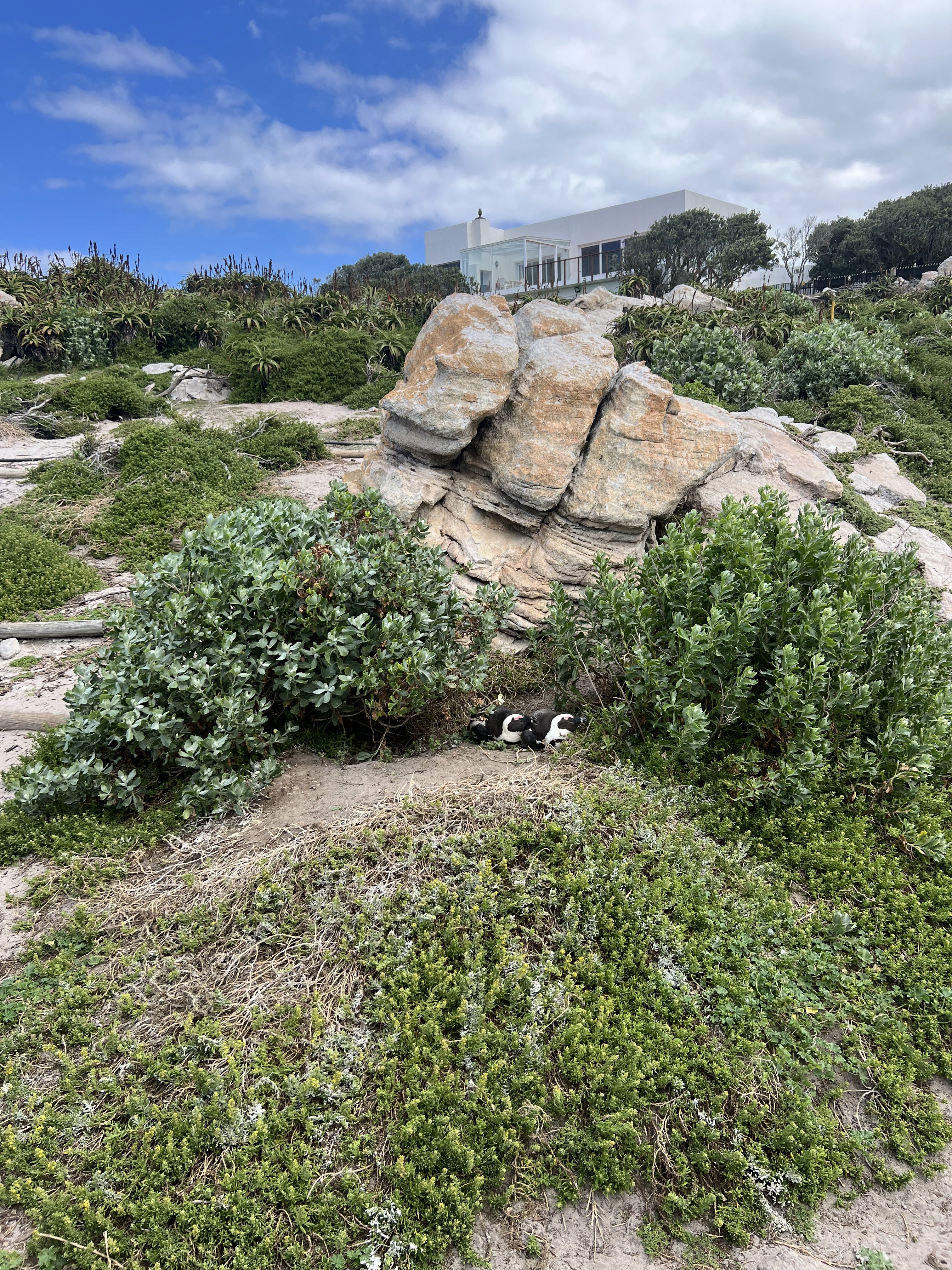
Managed by CapeNature, Stony Point offers an intimate look at the exotic African penguins. Even before you take the walkway that leads to the colony, you may see penguins sitting amongst the short vegetation or wandering through the parking lot! However, please note that the penguins are wild animals and that they will bite if you go too close.
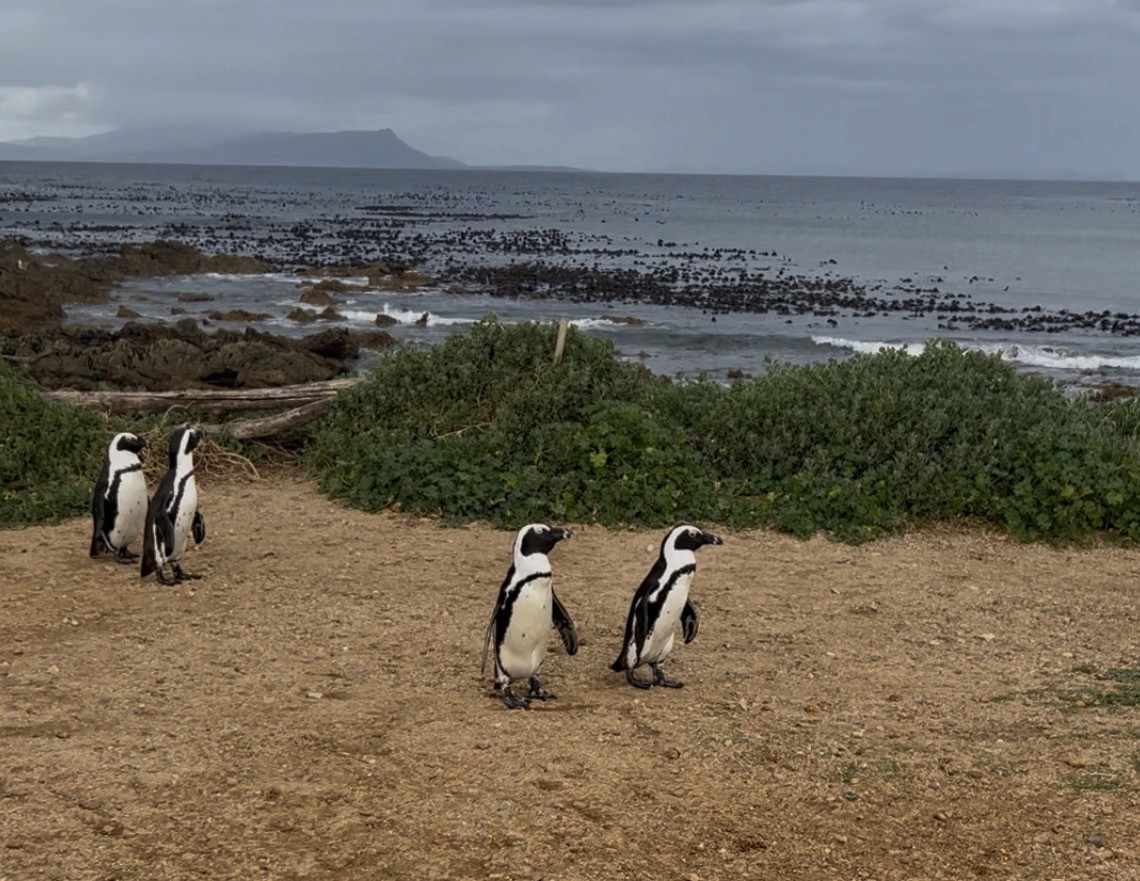
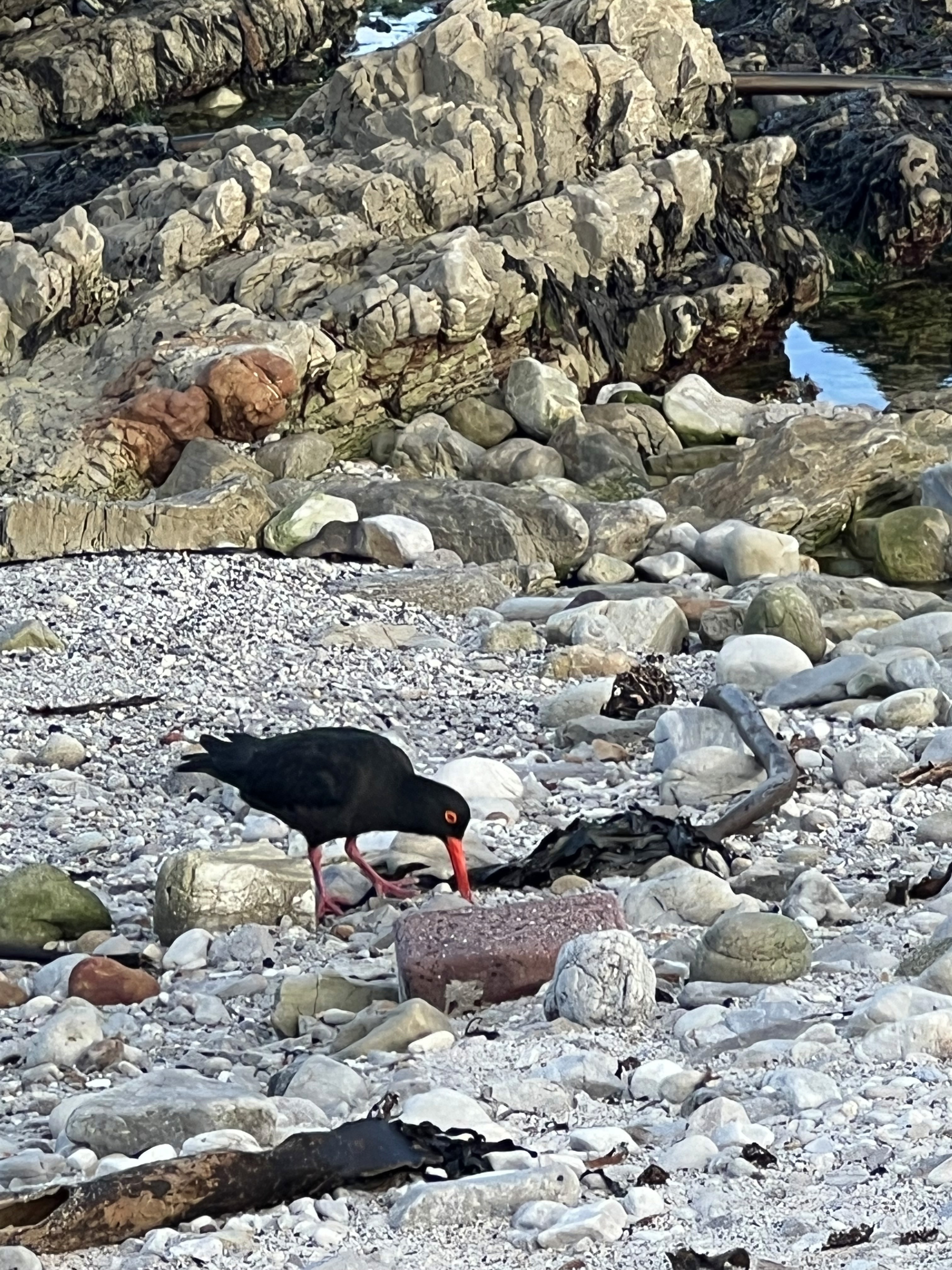
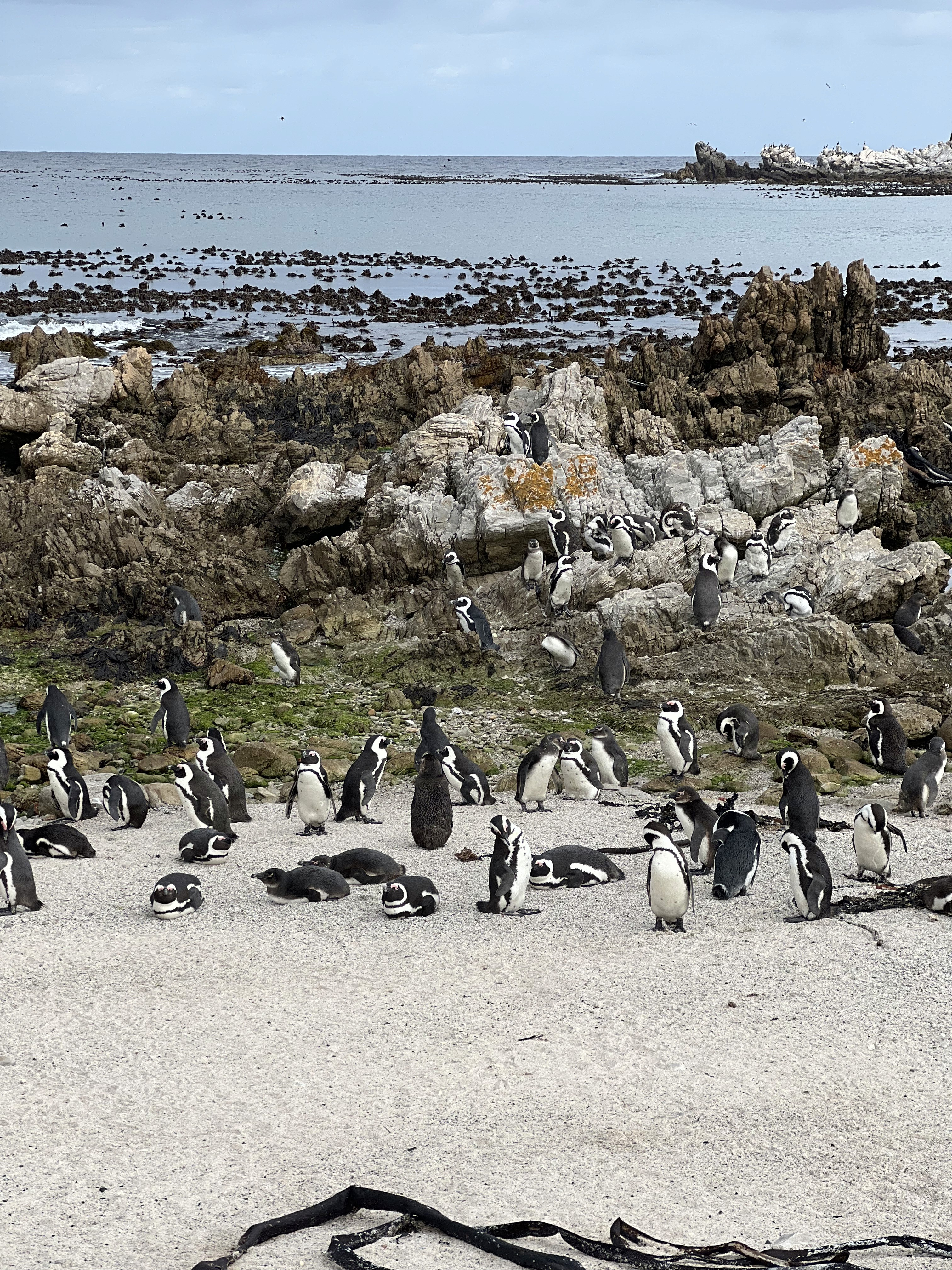
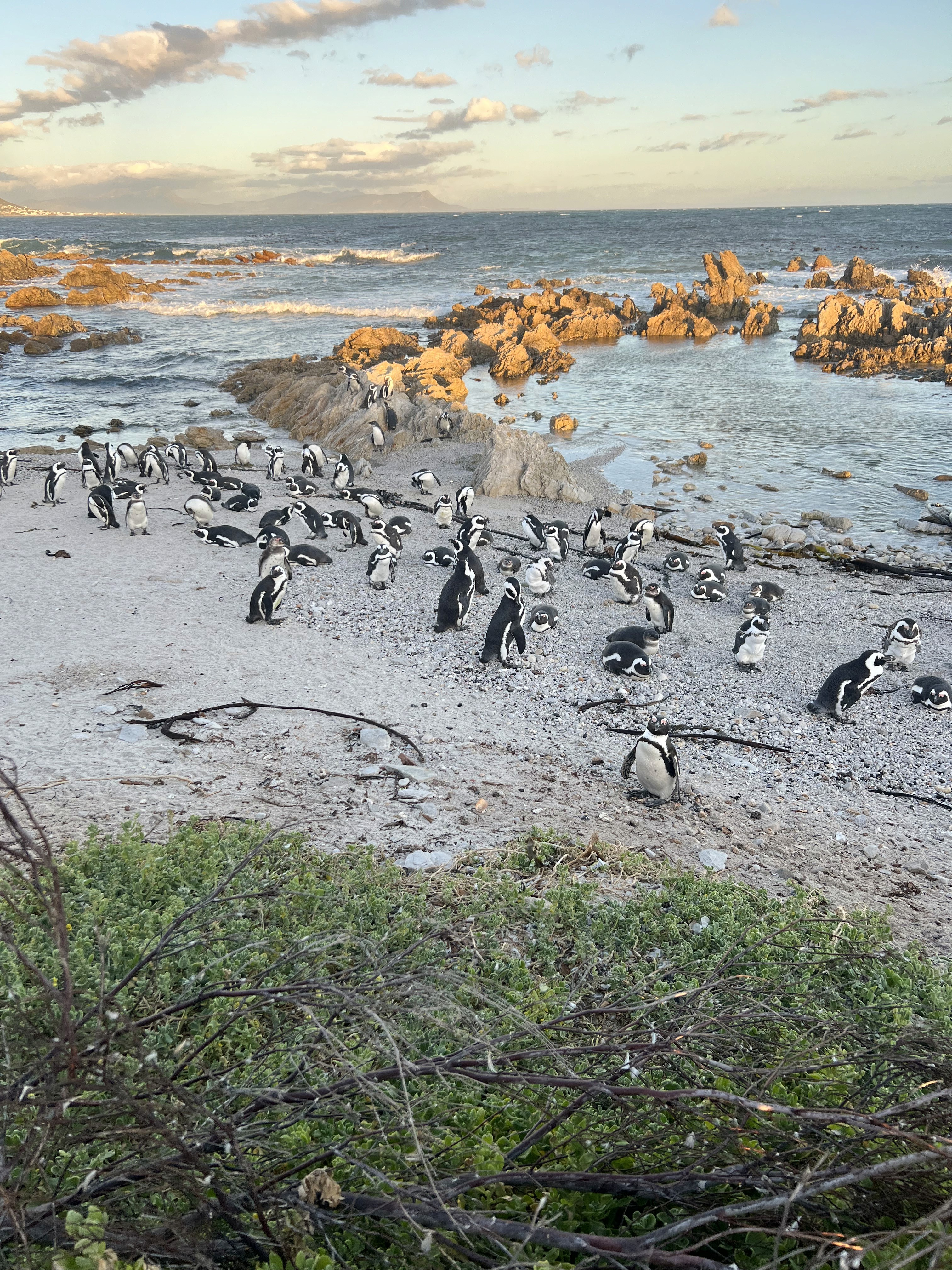
There is only one wooden boardwalk that offers a view of the reserve’s penguin colony, but there are also other hiking trails close by. These trails snake along the sandy, kelp-strewn beaches of the Point, and they are especially worth visiting for bird lovers; there are usually Egyptian geese, cormorants, gulls, and oystercatchers on the beach or in the water foraging for their next meal. Penguins may be present on some of these trails, but the main colony itself is solely accessible through the single boardwalk, where the visitor can have a close-up view of the penguins without disturbing them.
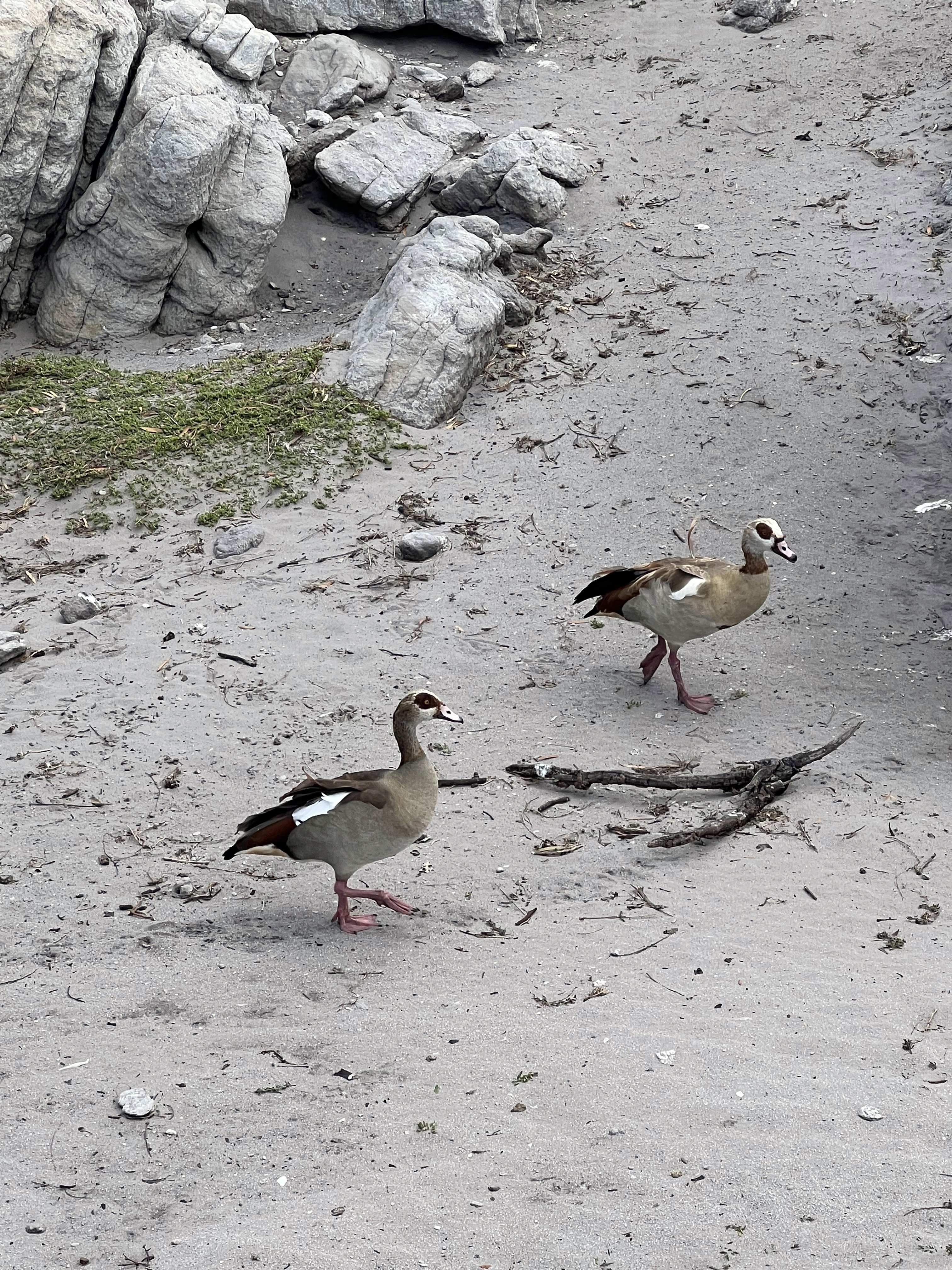
Egyptian Geese
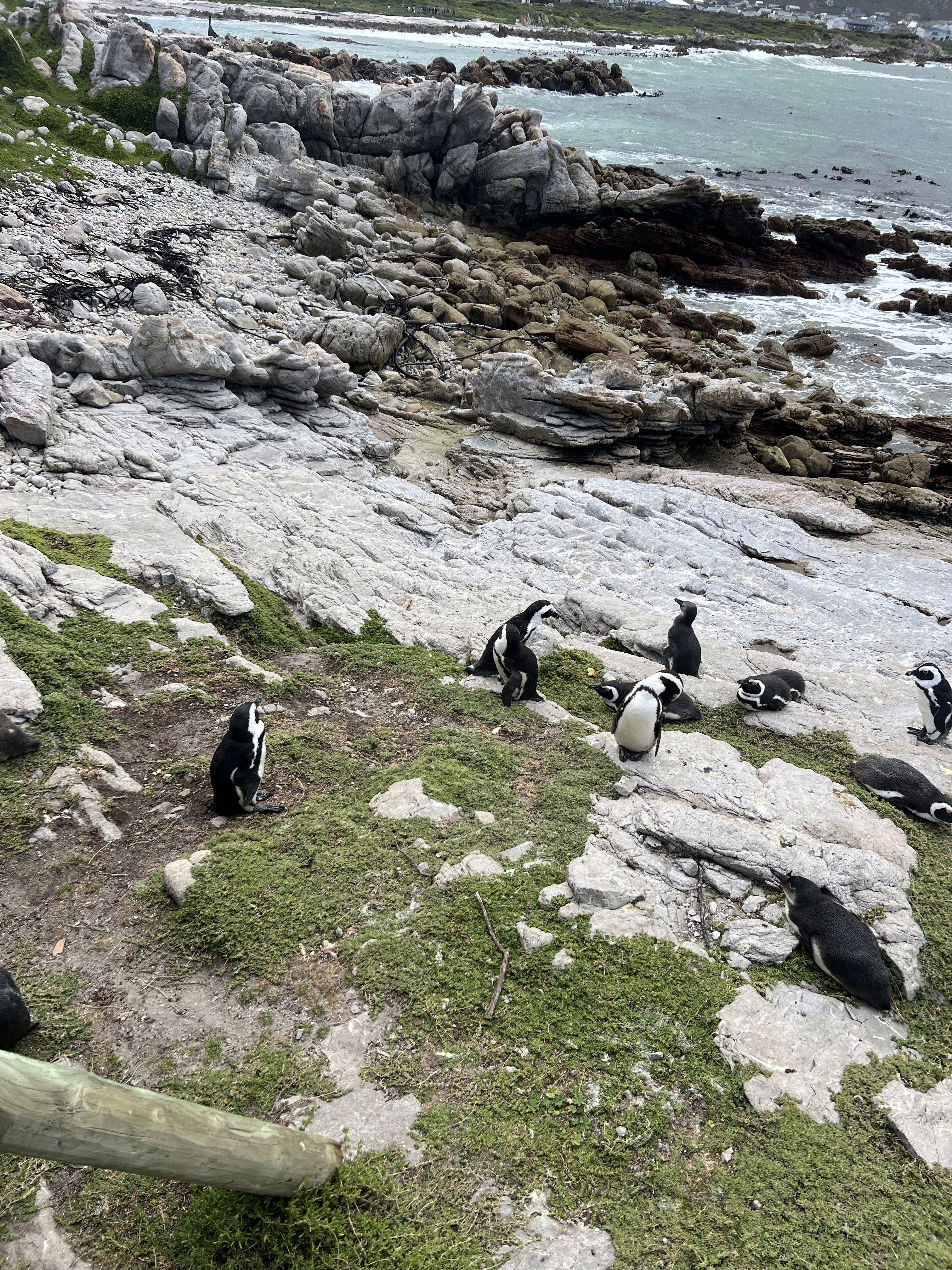
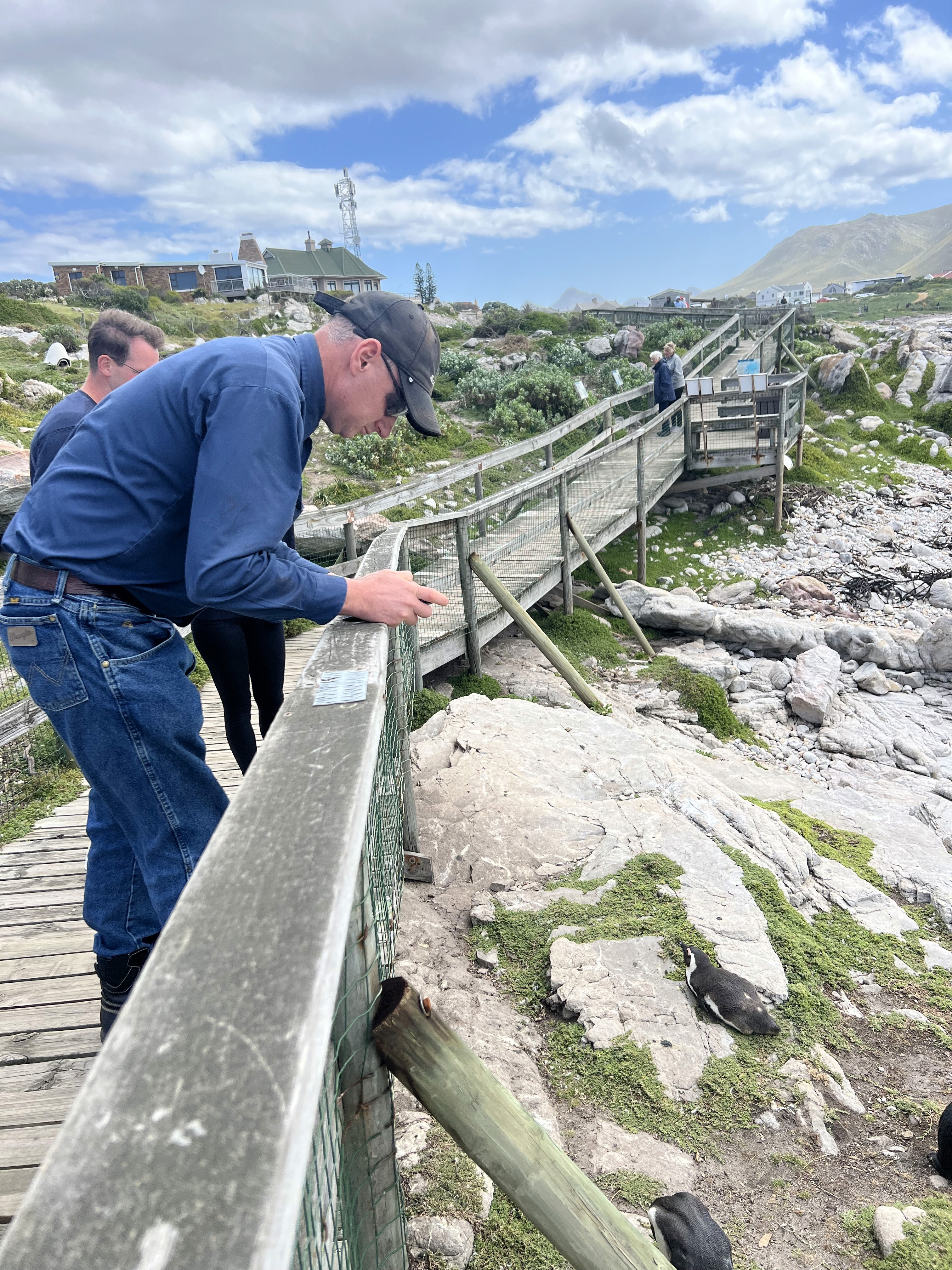
The colony is based near the remains of the long-derelict Waaygat Whaling Station. From the early to mid-1900s, it was used to collect and process whale meat. Remainders of the depot can still be seen near the walkway, and there are signs planted by the path that tell more about how it functioned many years ago.
After you have viewed the penguins and have done some birdwatching, there is a restaurant on the reserve that serves ice cream and meals, and there is a museum to stop by on-site that tells of the penguins’ status, provides facts about the whaling station, and more.
Stony Point Nature Reserve is the ideal place for tourists who want to see other animal life as well as penguins, learn about the history and biodiversity of the area, and have some seafood without needing to leave the reserve.
To find out more about Stony Point Nature Reserve, visit capenature.co.za.
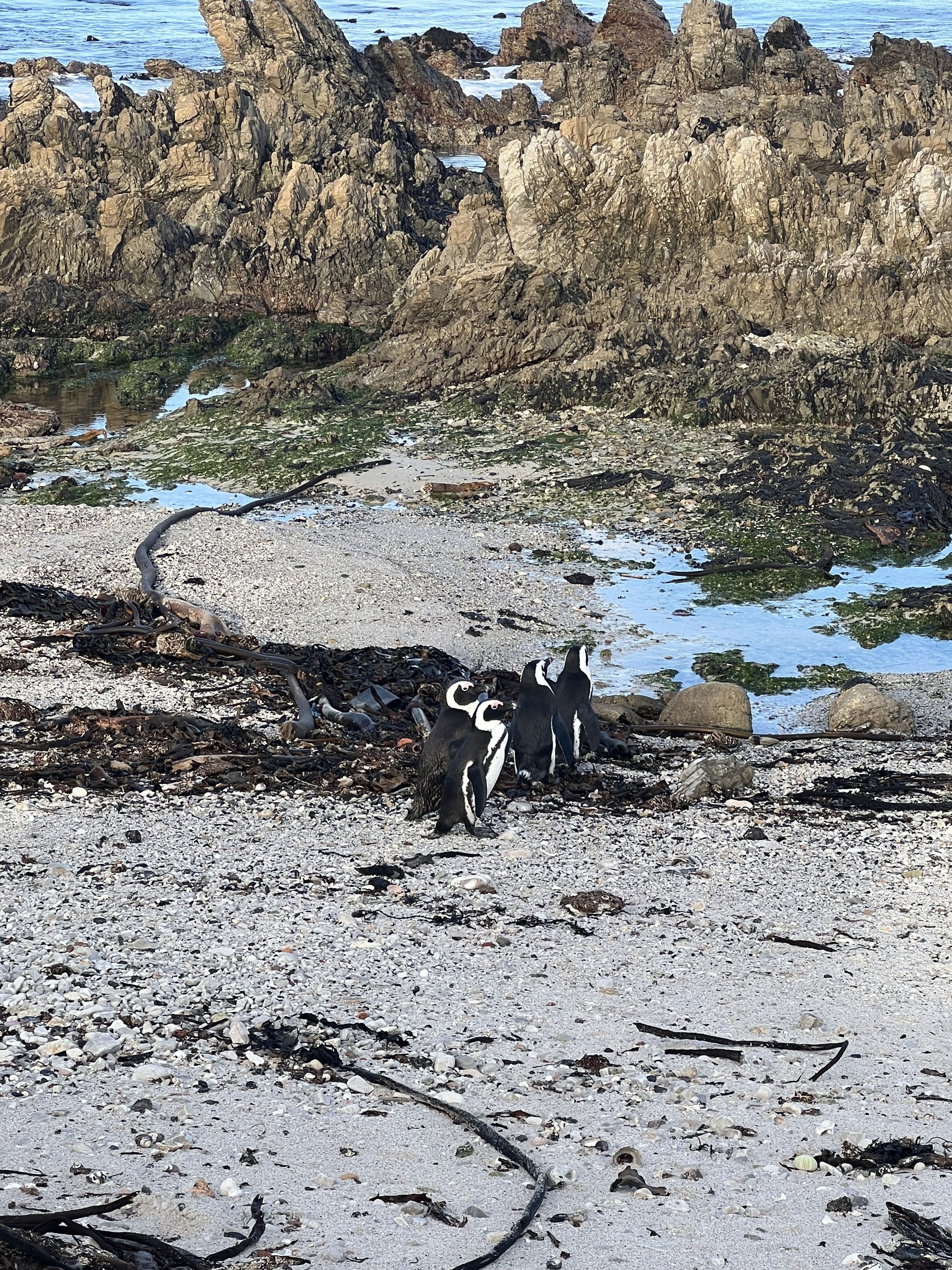
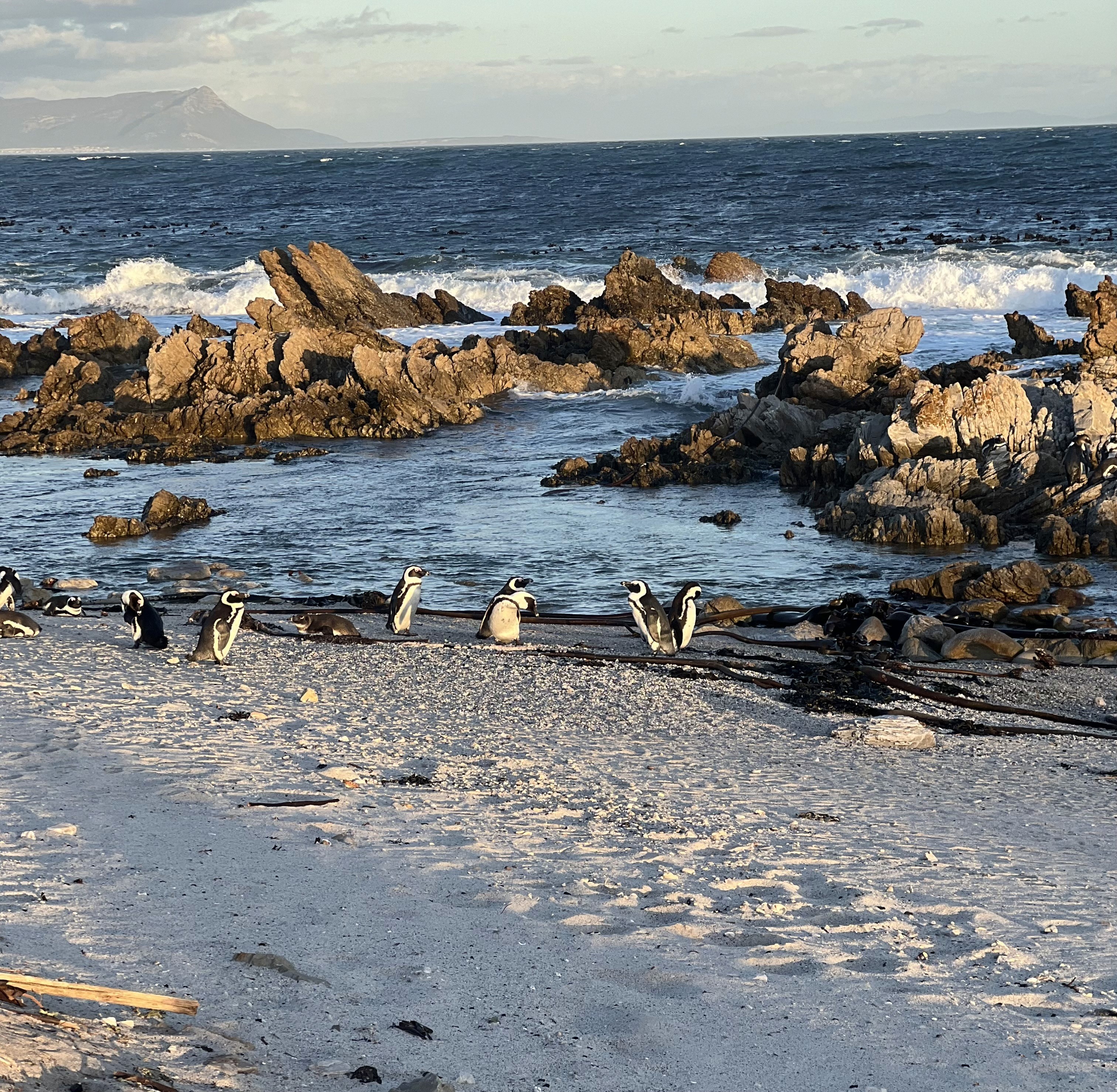
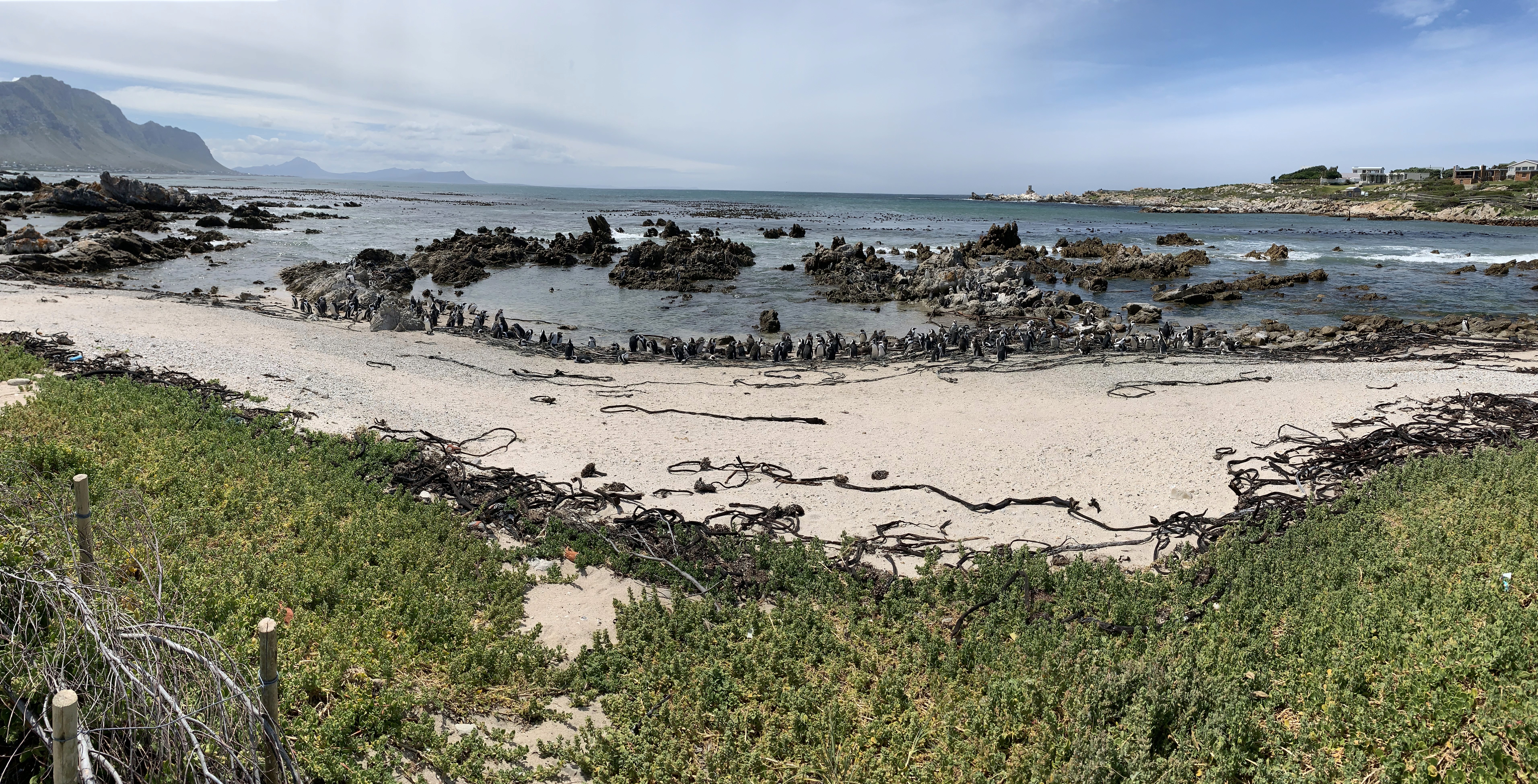
FUN FACT: African penguins are not the only birds that breed at Stony Point. Keep an eye out for the three species of cormorants that breed at Stony Point: Cape, Crowned, and Bank. These seabirds nest on the plentiful rocks found on the reserve. If you are lucky, you may see one diving into the waves and emerging again with a shining fish in its beak!
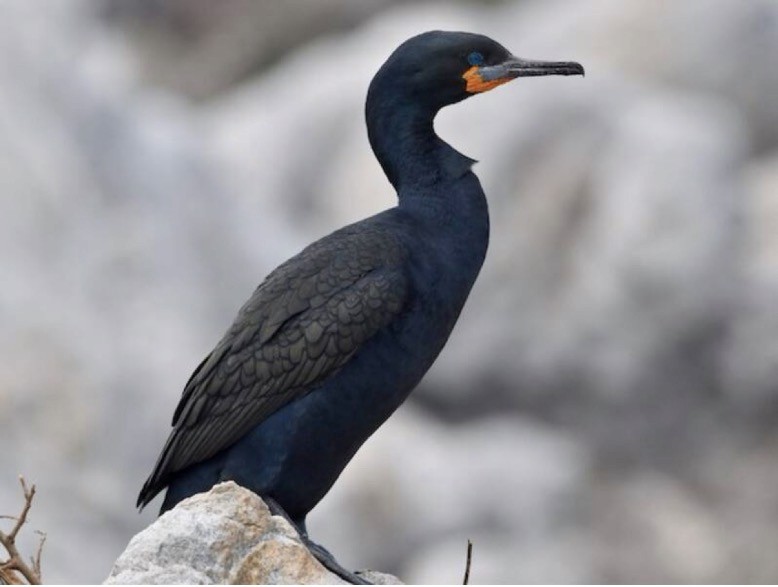
Cape Cormorant (breeding adult)
Don’t feel like worrying about parking or navigation? Somerset View offers a dedicated shuttle service - just contact us, let us know your plans and we'll help you get there and back!